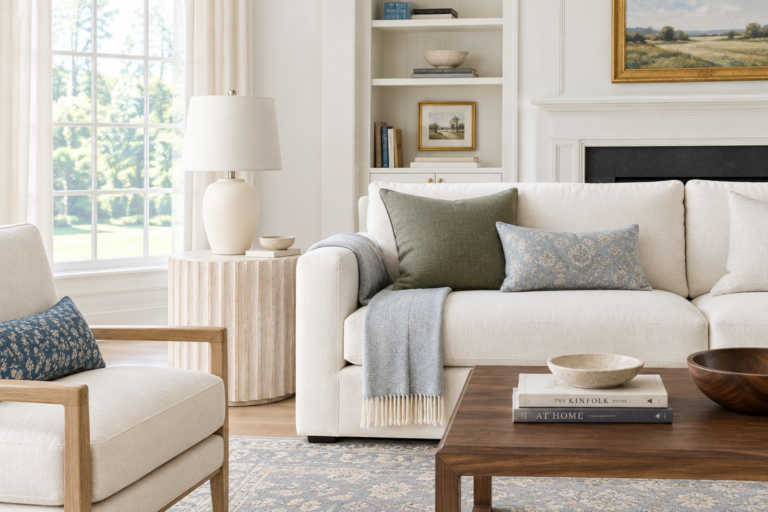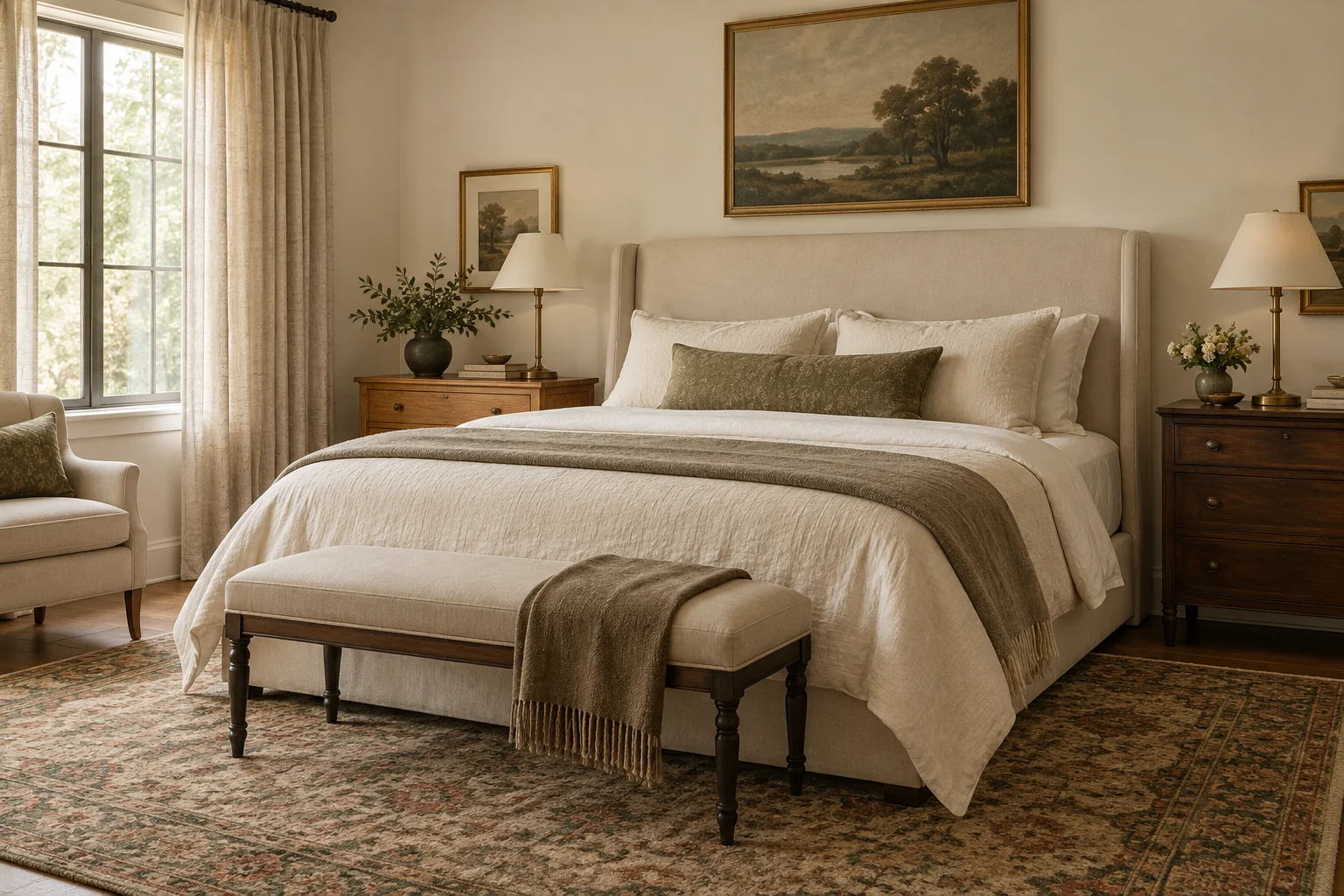
A warm neutral bedroom feels best when you layer several related neutrals instead of matching everything. Start with cream or warm white, add oatmeal, beige or taupe, bring in natural wood, then use texture and one deeper tone—like brown, olive, rust or charcoal—to give the room dimension.
The difference between a layered room and a flat beige one is variation. You do not need a new color scheme or a room full of accessories; you need contrast in tone, material, pattern, scale and age.
What Makes a Neutral Bedroom Feel Warm?
A warm neutral bedroom combines a light cream foundation, several middle tones, natural wood, varied texture, a quiet pattern, one grounding color and something aged or collected. Each layer has a job: cream keeps the room light, deeper tones create definition, and tactile materials make the palette feel inviting.
| Layer | What to use |
|---|---|
| Foundation | Cream or warm white |
| Middle tones | Oatmeal, beige and taupe |
| Natural material | Oak, walnut or woven fiber |
| Texture | Linen, cotton, wool or velvet |
| Grounding tone | Brown, olive, rust, muted blue or charcoal |
| Finishing layer | Aged brass, vintage art, pottery or old wood |
Think of this as a flexible decorating system rather than a shopping list. A single room can use only a few of these elements, as long as they are not all the same color, finish or scale.
1. Start With Cream Instead of Stark White
Cream and warm white give a bedroom visual breathing room without the chilly effect that bright white can create beside warm wood and soft textiles. Let cream act as light in the palette: use it on the walls, bedding, upholstery or curtains, then let beige and taupe provide the color.
You do not have to paint every surface beige to make a room feel warm. If your walls are already white, keep them and add warmth through the bed, curtains, wood and lighting. When choosing a paint or fabric, look at it in the room’s daylight and lamplight; undertones that seem subtle on a sample can read noticeably pink, yellow or gray across a large area.
Shop cream bedroom layers


2. Layer at Least Three Neutral Tones
Use a gentle progression—cream, oatmeal, beige or taupe, then brown—instead of repeating one shade from wall to bedding to rug. Small value changes create depth while keeping the overall room quiet. A cream duvet can sit comfortably beside oatmeal sheets, a taupe quilt and a warm brown wood frame.
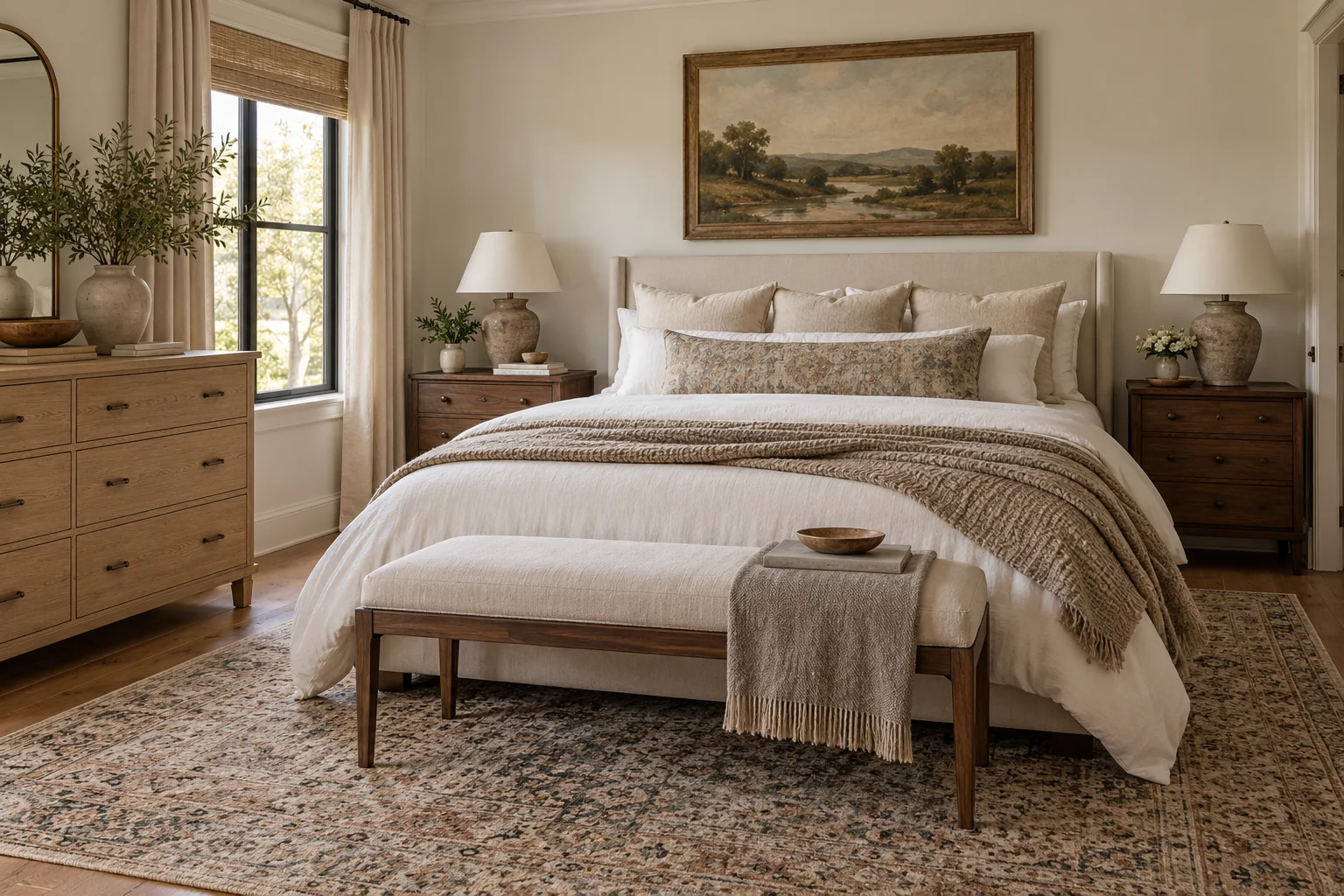
Can you mix cream and beige? Yes. They usually work better together than two nearly identical shades that almost match but do not quite. Keep their undertones compatible: pair warm cream with beige that has warmth, and check fabric samples together in the room. A little difference in value helps each tone look intentional.
Shop warm neutral bedding layers

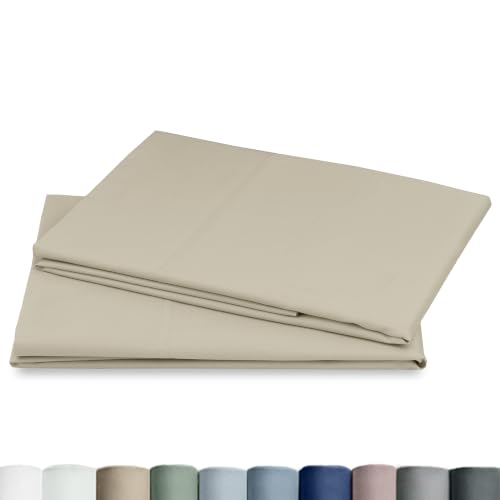

3. Mix Light and Dark Wood Tones
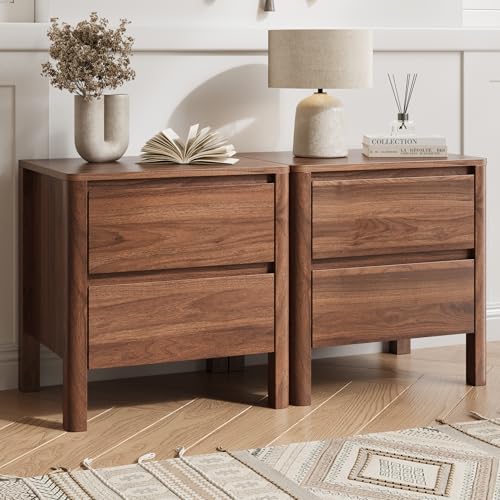
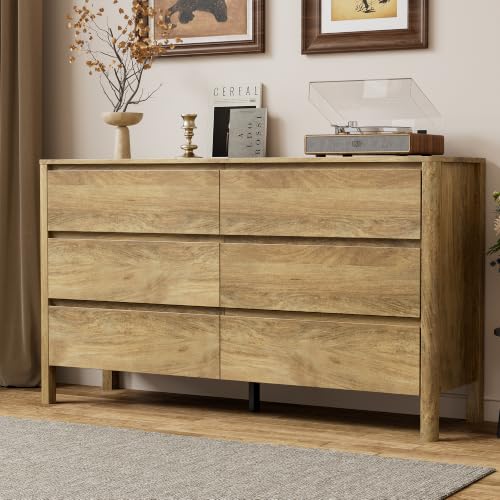
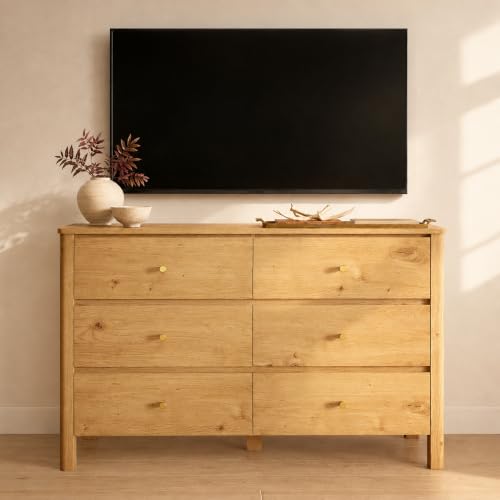
Can you mix different wood tones in a bedroom? Yes. All the furniture does not need to come from one matching set. Establish a dominant wood temperature—usually warm—and repeat it in a few places, while allowing the pieces to vary in depth and age.
A medium oak dresser, darker walnut nightstands and a warm antique wood frame can work beautifully together. The repetition of warm undertones ties them together; the difference in value keeps the room from looking like a showroom set. Watch for wood finishes that strongly clash, such as one very orange piece beside a distinctly ashy gray wood, and use a rug or upholstery between them to soften the transition.
For more furniture inspiration, see these collected-looking nightstand ideas and warm wood dresser alternatives.
Shop warm wood nightstands
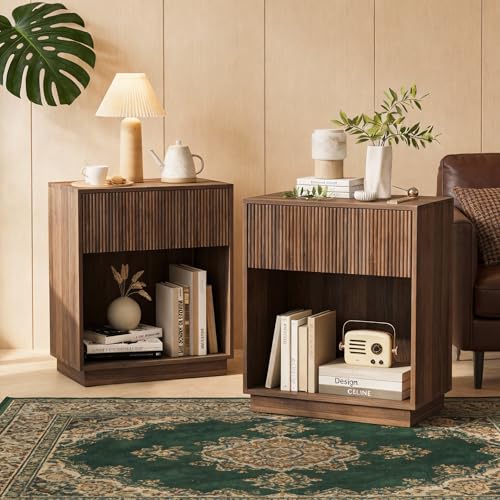
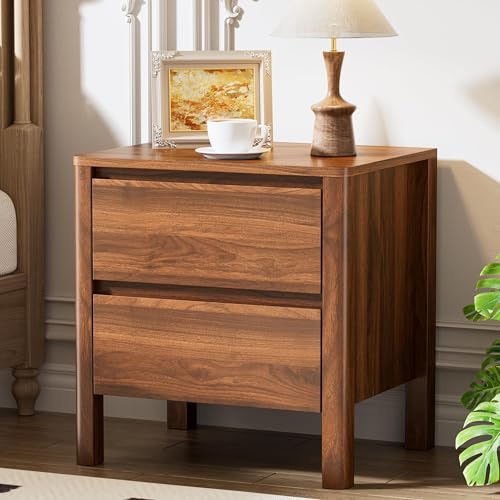
4. Make Texture Do the Work Color Usually Does
When a palette is restrained, texture becomes more visible. Combine smooth cotton sheets with a softly rumpled linen duvet, a quilted coverlet, a wool rug and a ceramic lamp. A little velvet can add depth, while woven fibers or aged wood bring an irregular, natural surface.
Choose a few textures that feel different to the eye and hand rather than adding every material at once. The goal is not a checklist of fabrics; it is contrast between matte and nubby, smooth and woven, crisp and relaxed. That contrast gives neutral bedroom ideas their warmth without demanding more color.
Shop textured neutral pillows

5. Ground the Room With a Vintage-Style Rug
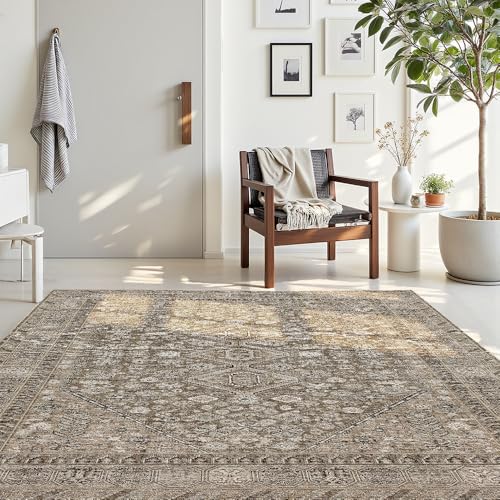
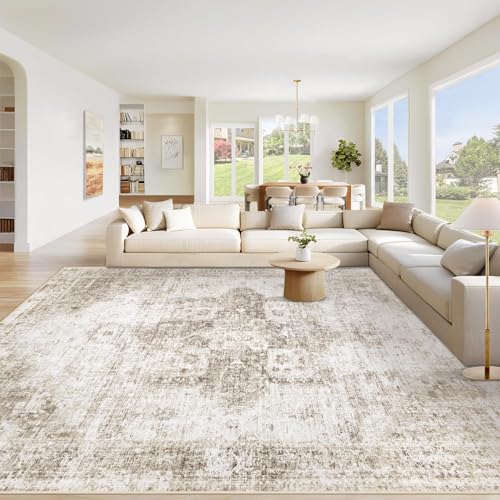
A large solid beige rug can become one more uninterrupted pale rectangle, especially beneath a pale bed. A faded traditional pattern adds movement and quietly connects the room’s tones. Look for a design that blends cream, taupe and brown with a small amount of muted olive, rust or faded blue.

The pattern should sit back rather than dominate. A softened, low-contrast rug is often easier to live with than a sharp high-contrast motif, and it can make different wood tones and bedding shades feel related. Browse these Pottery Barn-inspired rug styles for examples. For placement and proportion, use this bedroom rug guide.
Shop vintage-style neutral rugs
Amazon prices and availability can change.
6. Add One Deeper Grounding Color
A grounding color keeps pale neutrals from visually floating together. Choose one deeper tone—olive, chocolate brown, rust, muted blue, sage or charcoal—and repeat it lightly. Olive might appear in a small pillow, a mark in the artwork and a thread of color in the rug; brown might already be present in the bed frame and lamp base.
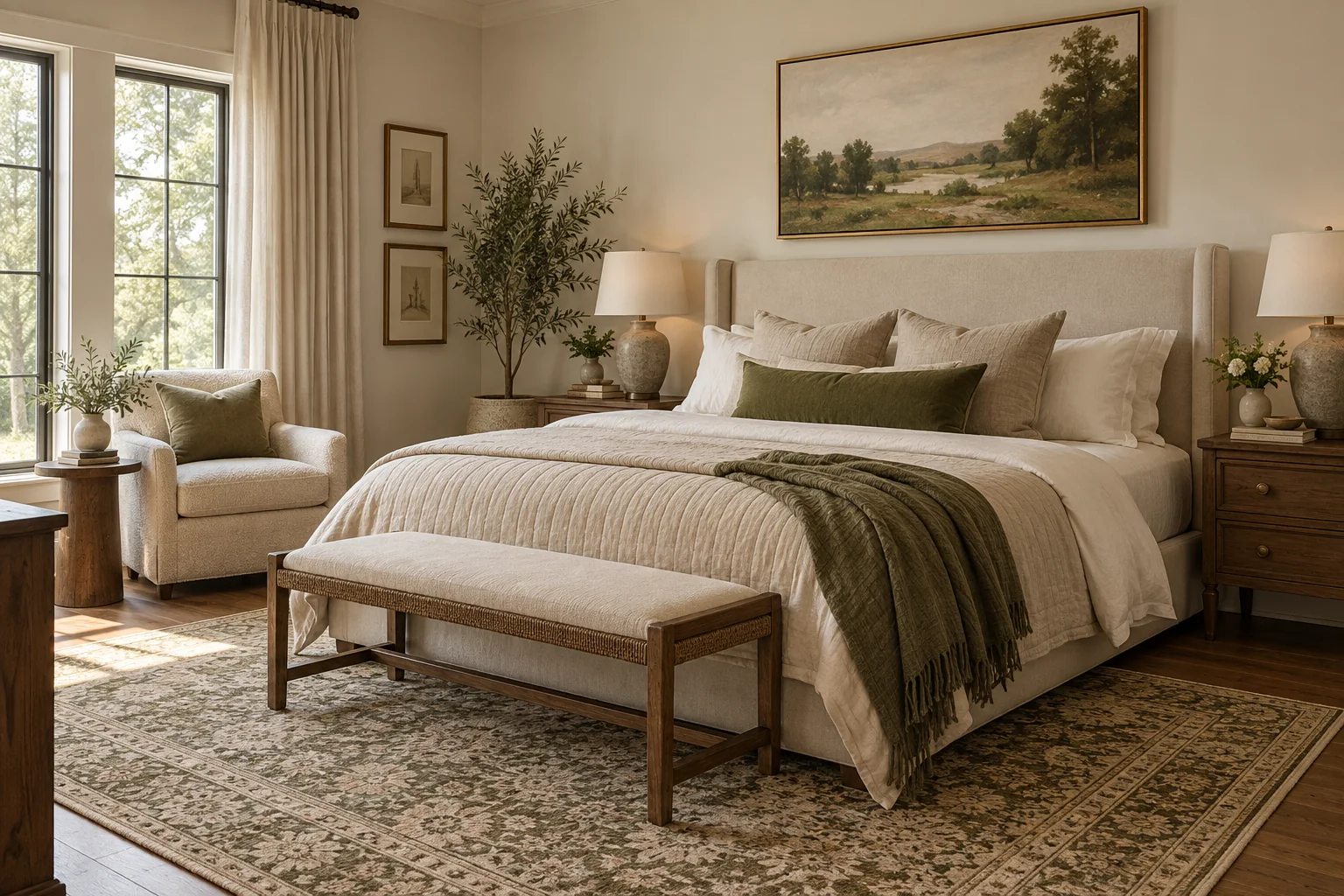
The accent does not need to become a second full color scheme. One or two small repeats are enough to make it feel deliberate. If you are unsure, start with a removable textile or artwork rather than committing to a painted wall.
Shop muted olive accents


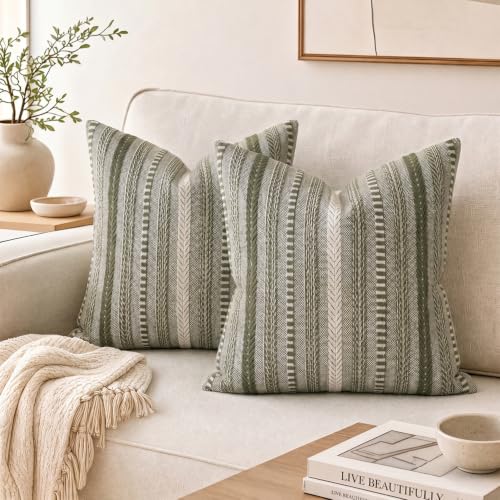
7. Use Aged Brass or Bronze for Warmth
Aged brass, antique brass, bronze and other warm dark metals bring a quiet glow to cream and wood. Use them on a bedside lamp, picture light, frame, curtain rod or hardware. A slightly different finish on each piece can feel more collected than making every metal match exactly.
Look for softened, brushed or darkened finishes instead of a room full of shiny yellow gold. The metal should support the room’s warmth, not become the main event.
Shop aged brass and vintage frames



8. Layer the Bed Without Making It Look Overstyled
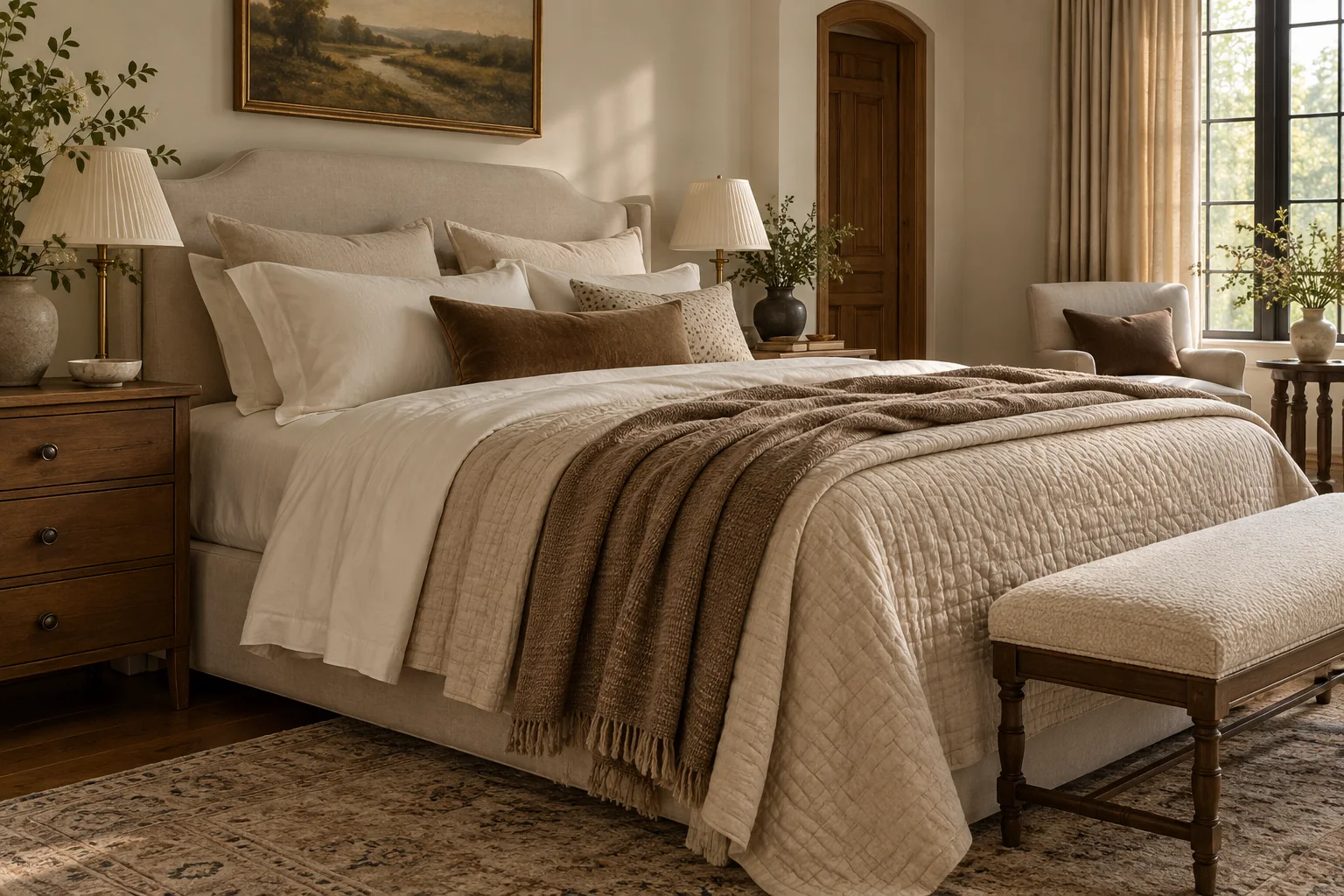
To layer neutral bedding, begin with sheets, add a duvet or comforter, then fold a quilt or coverlet across the lower part of the bed. Add an optional throw if the bed needs another texture, followed by sleeping pillows and two or three decorative pillows. You do not need a dozen cushions.
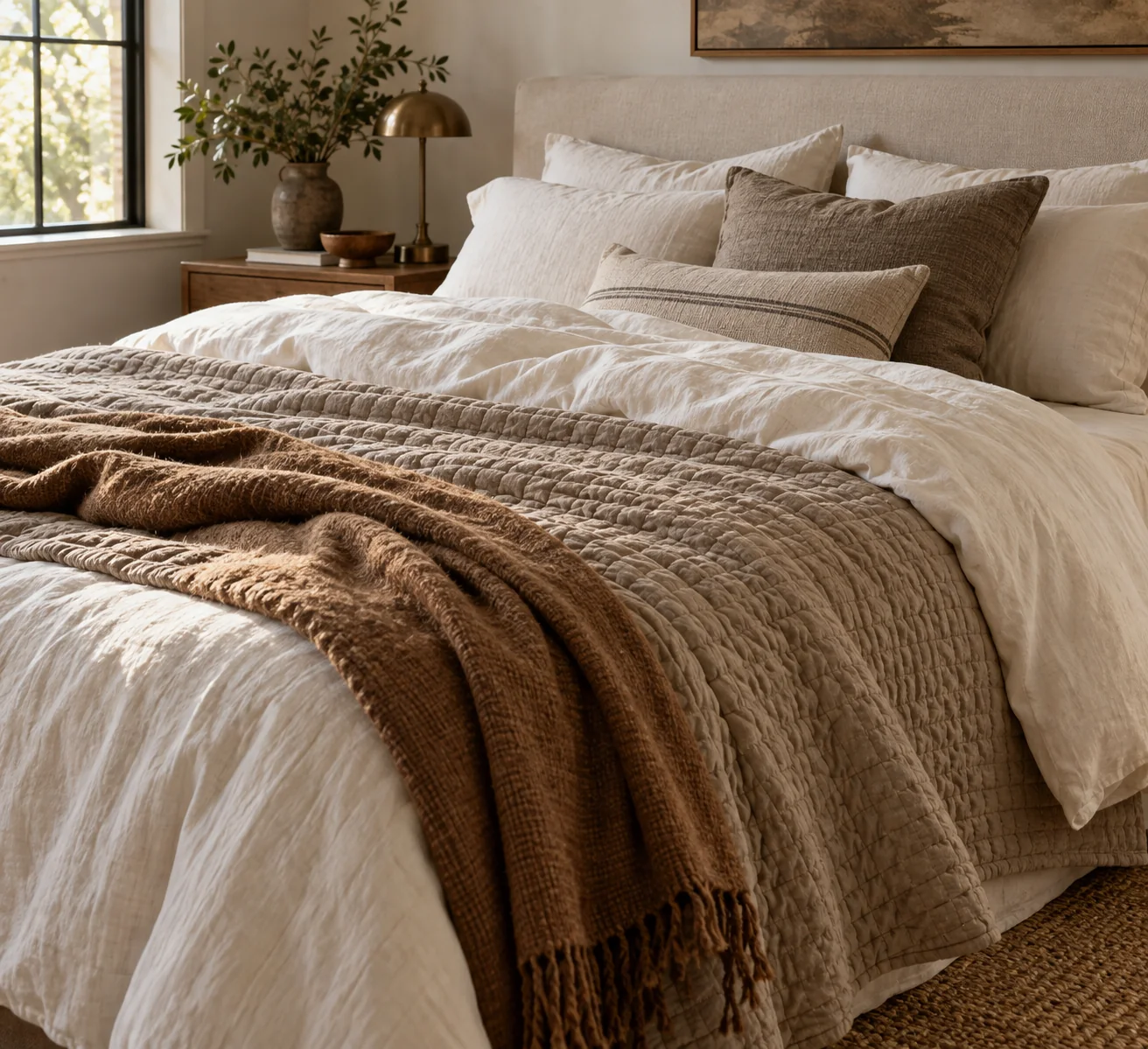
Use slightly different tones and finishes: smooth cream sheets, a gently textured ivory duvet, an oatmeal coverlet and a small patterned or olive accent pillow. Let the top layer fall naturally instead of arranging every edge into a perfect display. For more ideas, see these linen quilt and coverlet options and relaxed bedding inspirations.
Shop warm neutral bedding

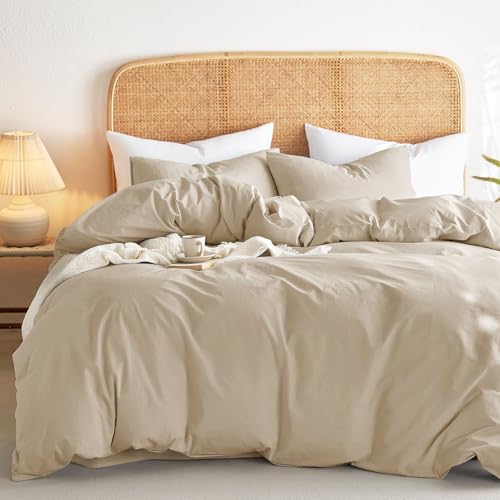

Amazon prices and availability can change.
9. Hang Soft Linen-Look Curtains
Ivory, warm white, oatmeal and natural linen tones are gentle choices for a warm bedroom. Curtains can be lighter than the bedding or furniture; that contrast helps the window wall feel open and keeps the room from becoming one continuous block of beige.
Where the room allows, hang curtains higher and wider than the window so the fabric frames the opening and visually softens the wall. Full-length panels usually feel more finished than short curtains. Choose a fabric with enough body to drape well, while keeping the surface matte and relaxed.
Shop soft neutral curtains
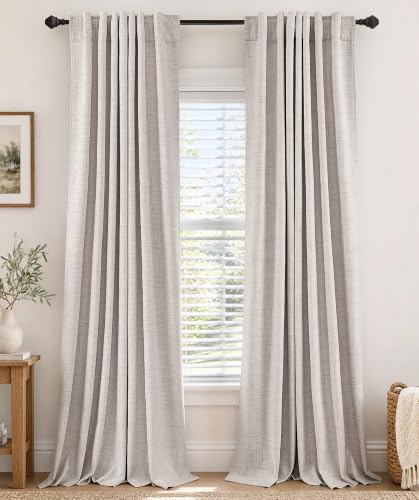


Amazon prices and availability can change.
10. Choose Furniture That Fits the Room
Start with the bed, then work outward. Leave a clear route from the doorway to each side of the bed, and check that dresser drawers and closet doors can open comfortably. A bench at the foot of the bed is useful only if you can still walk past it without squeezing through.
Choose nightstands with enough surface for a lamp and the things you actually use at bedtime. Their tops should feel easy to reach from the mattress. In a smaller room, a simple bed frame and fewer substantial pieces can feel calmer than several small tables and storage baskets. Repeat a warm wood tone across two pieces, then let their shapes differ for a collected look.
Shop warm wood bedroom furniture

11. Layer Lighting for a Softer Evening Mood
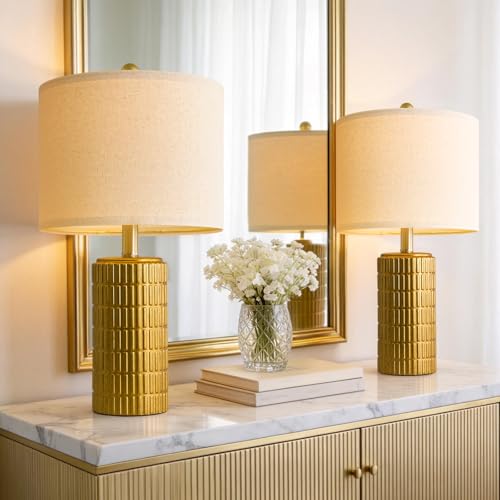
Think about the bedroom after sunset as well as in daylight. Use bedside lamps or reading sconces for focused light, then let the ceiling fixture provide general light when you need it. A shaded lamp softens the glow and adds another textile texture to the room.
Keep the light color consistent across fixtures so one corner does not look blue beside a warmer bedside lamp. Test the room with the lights on before choosing paint or bedding: cream, beige and wood can look quite different in evening light. If the bedroom feels harsh at night, try using the lamps on their own and adjust their placement or brightness before buying more decor.
Shop warm bedside lamps


Amazon prices and availability can change.
12. Add Something Old or Collected
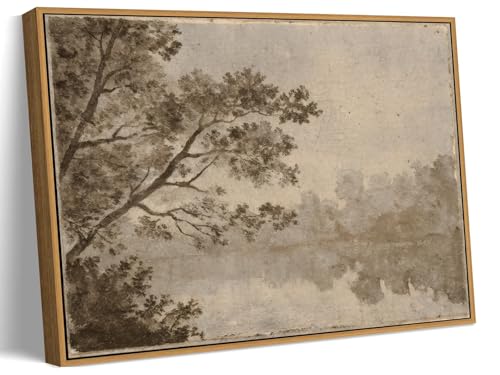
One aged or collected piece helps a room feel as though it came together over time instead of arriving in a single shipment. Try a vintage landscape print, an aged wood frame, a small pottery vessel, a few old books or an antique-inspired lamp. The item can be inexpensive and need not be genuinely old.
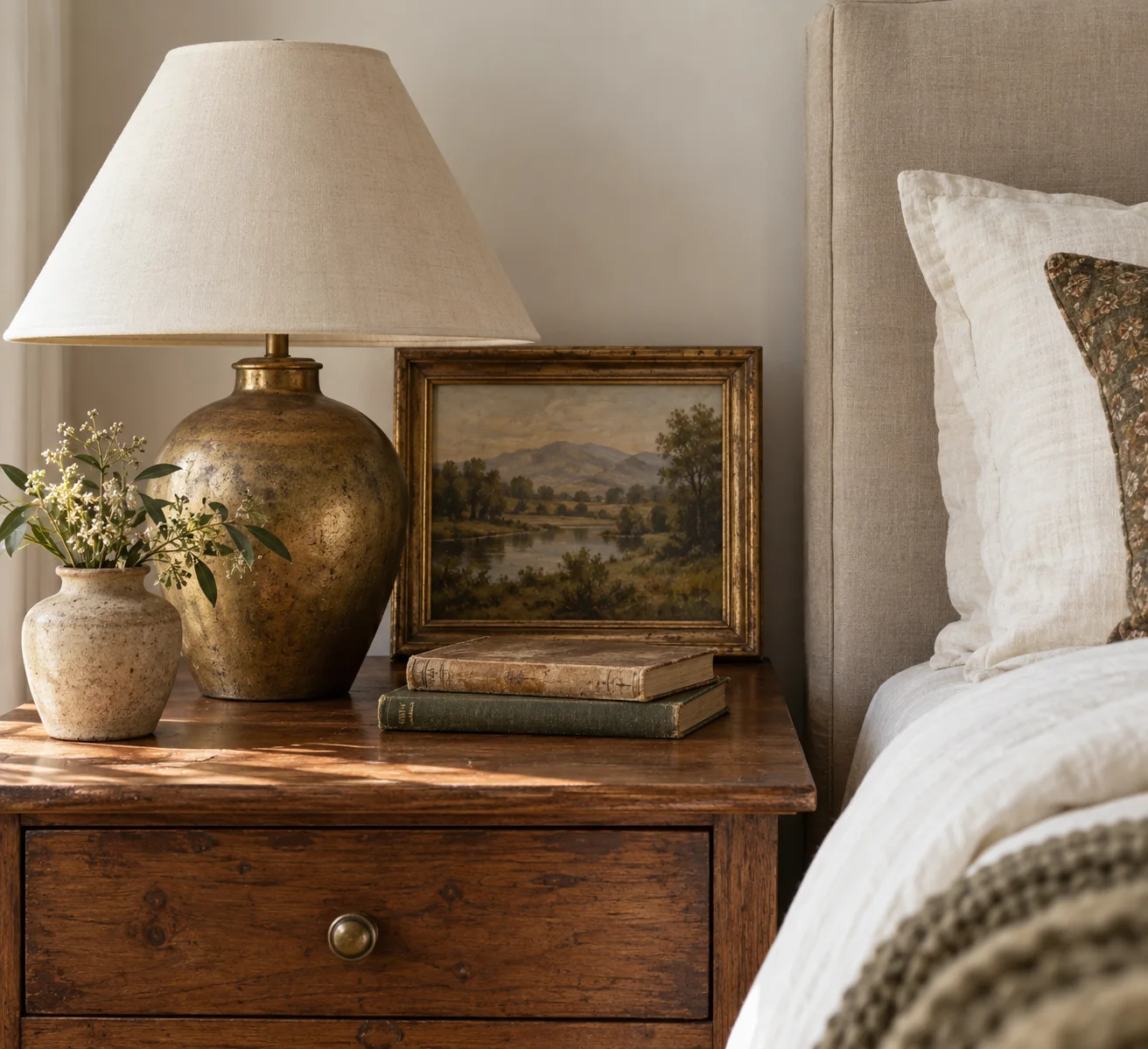
Choose something with meaning, texture or a shape you enjoy. You do not need to fill every surface; a thoughtful object with room around it feels more personal than a group of accessories bought only to occupy space. For artwork inspiration, explore these vintage landscape art ideas.
Shop collected vintage landscape art

Can You Mix Cream and Beige?
Yes. Cream and beige are a natural pairing because the small difference in value keeps a pale room from feeling like one flat color. Let the cream be the lighter visual foundation and use beige for warmth; just check their undertones together in the room’s daylight.
Can You Mix Different Wood Tones?
Yes. Choose a dominant warmth, then repeat it in more than one place so lighter oak, darker walnut and aged wood feel related. Different depths add character; obviously competing undertones are what can make the mix feel accidental.
What Colors Work in a Warm Neutral Bedroom?
Use cream, warm white, oatmeal, beige and taupe as the foundation. Add brown, olive, rust, muted blue, sage or charcoal as restrained grounding colors. These warm neutral bedroom colors can be combined in textiles, wood, a rug and artwork; they do not all need to appear in every room.
What Color Rug Works in a Neutral Bedroom?
A faded traditional or vintage-inspired rug in cream, taupe and brown is an easy foundation. A subtle amount of olive, rust or faded blue can connect the rug to one accent elsewhere in the room. Choose a pattern and scale that feel calm from the doorway, then check how it looks beside your bedding and wood finishes.
How Do You Keep a Neutral Bedroom From Looking Boring?
Vary value, texture, pattern, material, wood tone and age instead of simply adding more beige. A room can stay almost entirely neutral and still feel layered when the cream bedding differs from the oatmeal quilt, the rug has a quiet pattern, and the furniture includes both light and dark warm wood.
How Do You Make a Neutral Bedroom Feel Cozy?
Use warm light, soft natural fabrics, a properly sized rug, full-length curtains and a bed with a few tactile layers. Add one deeper tone to create definition and avoid relying on bright overhead lighting alone. The room should still feel restful and easy to use, not styled so heavily that it is uncomfortable.
How Do You Make a Neutral Bedroom Feel Expensive?
An expensive-looking room is usually about scale and editing, not the price of every item. Choose fewer, more substantial pieces; use a rug that relates properly to the bed; hang full-length curtains; and give the bedside lamps enough visual presence for the furniture. Natural-looking wood, layered bedding, restrained accessories and one or two collected pieces often do more than a matching set of small decor.
Before buying anything, look at the room as a whole. If every surface is pale and smooth, add texture or a deeper value. If the woods feel unrelated, repeat the warmer tone elsewhere. If the room feels too decorated, remove an accessory. A warm neutral bedroom comes together through thoughtful variation—not through matching everything.