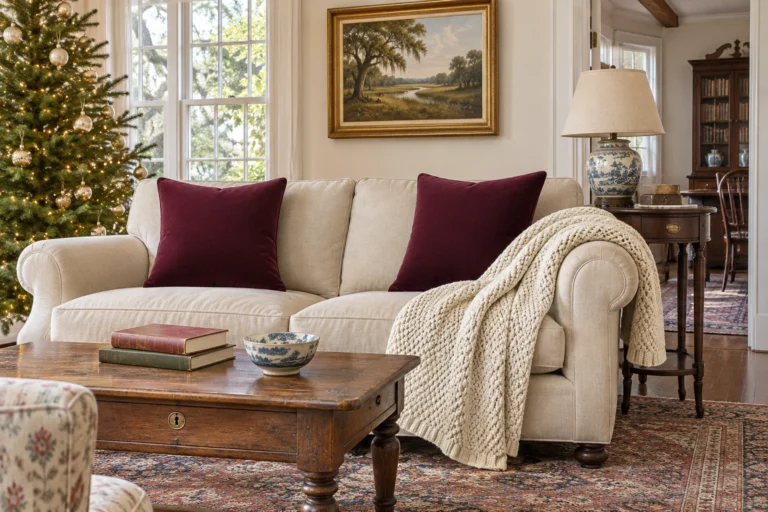

A beautiful living room rug shouldn’t require a no-shoes, no-snacks, no-kids policy.
In a room that actually gets lived in, rugs collect crumbs, pet hair, footprints and whatever came in on everyone’s shoes. And while washability certainly helps, the easiest rug to live with isn’t necessarily the one you can put in a washing machine. It’s the one that doesn’t look dirty five minutes after you vacuum it.
The best rugs for hiding everyday dirt tend to have three things in common: variation in color, enough pattern to camouflage small messes, and a relatively low pile that doesn’t trap debris.
That usually makes vintage-inspired and distressed rugs particularly forgiving—which is convenient, because they’re also some of the prettiest rugs for creating a warm, layered living room.
What Type of Rug Hides Dirt Best?
For most busy living rooms, the best rug for hiding dirt is a low-pile, vintage-style patterned rug in medium tones such as taupe, olive, rust, brown or muted blue.
Pattern is often more important than simply choosing a dark color. A solid charcoal rug can make pale crumbs, lint and pet hair surprisingly obvious, while a faded traditional rug with several related tones breaks up that contrast.
When shopping, look for:
- a distressed, vintage or traditional pattern
- medium-value colors rather than very light or very dark solids
- multiple related colors instead of one flat color
- low or medium-low pile
- easy-care construction for high-traffic rooms
- machine washability if spills are a major concern
One important distinction: hiding dirt, resisting stains and being washable are three different things.
A washable ivory rug may be easy to clean while still showing every footprint between washes.
8 of the Best Rugs That Hide Dirt
1. Loloi Layla Antique/Moss — Best Overall
If I were choosing one rug from this list for a busy living room, the Loloi Layla in Antique/Moss is the place I’d start.
The faded traditional pattern does exactly what we’re looking for here: instead of one uninterrupted field of color, it layers mossy, beige and aged neutral tones across a deliberately distressed design. Everyday variation has somewhere to disappear visually.
It also has the elevated, collected look that makes the Layla collection so appealing without feeling precious or formal.
Why it works: varied mid-tones, distressed pattern and low-profile construction.
Best for: family living rooms where appearance matters just as much as practicality.

- Designer Area Rug Aesthetic: The stylish pieces from the Layla collection blend traditional and modern design. These rugs mix traditional, Moroccan, boho styles with fresh materials and distressed patterns
2. Loloi Layla Olive/Charcoal — Best Darker Option
For a room that needs a little more depth, the Loloi Layla in Olive/Charcoal gives you darker grounding without becoming a flat, solid dark rug.
The olive and charcoal coloring provides tonal variation rather than one uninterrupted dark surface. That’s exactly what we’re looking for when the goal is making normal day-to-day debris less visually obvious.
I especially like this palette with warm wood furniture, camel leather and creamy upholstery.
Best for: higher-traffic living rooms and darker, moodier palettes.
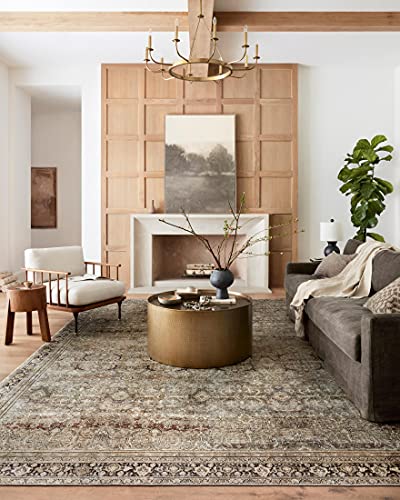
- Designer Area Rug Aesthetic: The stylish pieces from the Layla collection blend traditional and modern design. These rugs mix traditional, Moroccan and boho styles with fresh materials and distressed patterns
3. Loloi Layla Ocean/Rust — Best for Lots of Color Variation
The Ocean/Rust Layla is probably the most colorful of the three Layla options here, but the colors are muted enough to still feel sophisticated.
The combination of warm and cool tones with a faded traditional pattern gives the rug plenty of visual variation. It’s also an easy way to bring color into an otherwise neutral living room without committing to something bright.
Best for: neutral rooms that need color and homes where a highly varied pattern is an advantage.
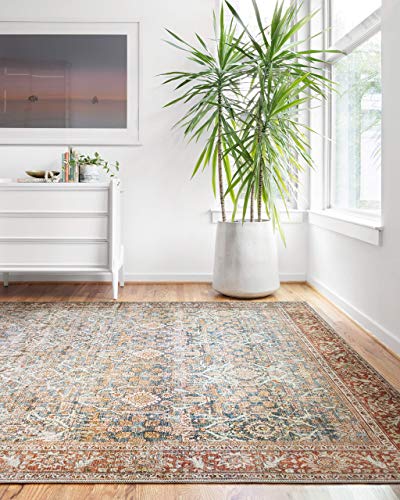
- Designer Area Rug Aesthetic: The stylish pieces from the Layla collection blend traditional and modern design. These rugs mix traditional, Moroccan and boho styles with fresh materials and distressed patterns
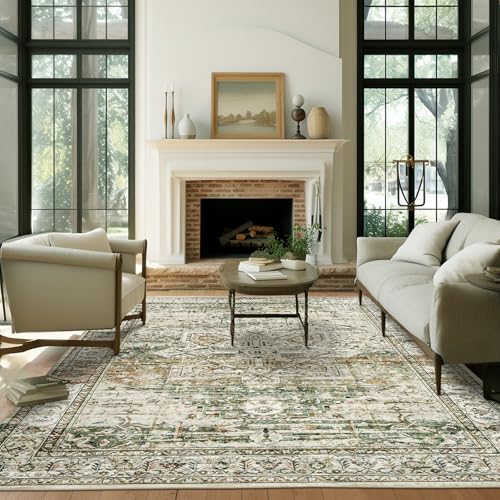
4. Hazo Haus Vintage Moss Green — Best Green Rug
If you like the warmth of green but want something quieter than a strongly colored rug, this moss green and neutral taupe combination hits a nice middle ground.
Its vintage-style pattern and low-profile look make sense in a busy family room, while the muted palette keeps the rug from taking over the space.
Best for: warm neutral, traditional and organic living rooms.
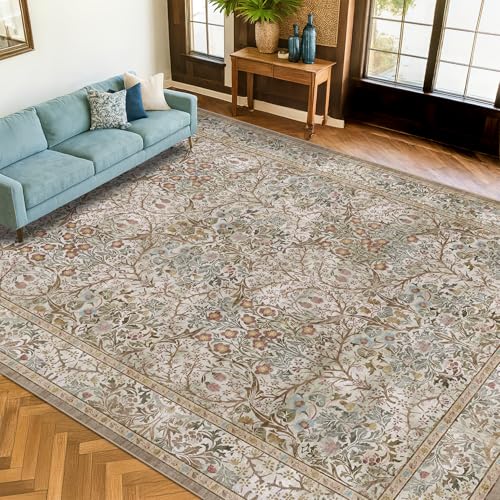
- Vintage Botanical Elegance: Inspired by 19th-century textiles, this area rug features a lush botanical pattern with timeless charm. Shades of moss green, earthy brown, muted gold, and soft rose blend in graceful symmetry, creating a tapestry-like surface that feels intricate yet serene. Flourishing vines, blooming florals, and delicate foliage recall Victorian elegance, while subtle earthy undertones bring warmth, sophistication, and heritage beauty to living rooms, bedrooms, or studies
5. Rugland Vintage Rust — Best Warm-Toned Rug
Rust is one of my favorite directions for a practical living-room rug because it adds warmth without behaving like a pale neutral.
This Rugland option combines earthy coloring with a distressed vintage-style pattern. It’s particularly pretty with warm wood, brown leather, cream upholstery and brass accents.
Best for: warm, traditional living rooms.
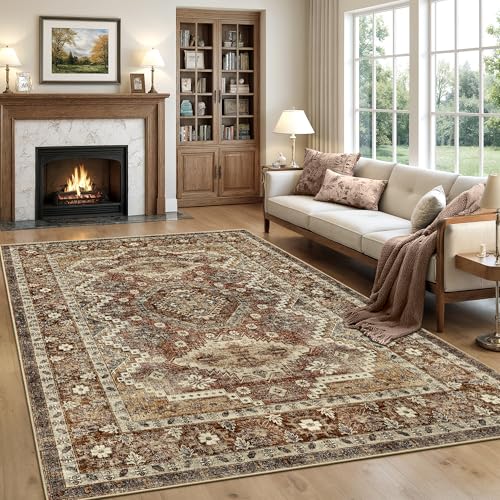
- Anti-Slip & Machine Washable Area Rug – Sometimes when you need a washable rug, you’ll buy a Rug Cover and a Rug Pad, now we combine them into one piece. The foldable area rug features a fluffy low pile design with terrific anti-slip backing, designed to fit conveniently for your home washing machine.
6. Soalmost Olive Beige — Best Affordable Neutral
The olive-beige Soalmost rug is one of the better affordable options from our larger edit because it stays within a warm, sophisticated palette while still providing the pattern variation we’re looking for.
Olive mixed with beige is also more forgiving visually than one uninterrupted field of cream.
Best for: getting the warm vintage look at a more approachable price point.
- TIPS-When the washable rug arrives there will be some creases at the beginning, please don't worry, gently smooth them out, flatten them on the floor and walk around, the creases will disappear in a few days
7. GENIMO Rust Blue — Best Washable Colorful Option
For a washable rug, I’d much rather have a pattern like this than a nearly solid pale one.
The rust and blue vintage floral design provides plenty of visual variation. This selection was identified during product research as a washable, low-pile rug.
Best for: kids, pets and rooms where spills are more than a theoretical possibility.

- Vintage Design & Versatile Style: This vintage floral rug blends distressed floral and medallion motifs to complement a wide range of home decor styles. The low-profile design of this boho rug fits easily under doors and furniture. Perfect as a living room rug or bedroom rug
8. DCX Beige and Taupe — Best Light Neutral
Sometimes you really do want a light rug.
If that’s the case, I’d choose beige and taupe with visible pattern variation rather than solid cream. This DCX option gives you the lighter overall appearance while its distressed traditional design helps break up the surface.
Our Amazon product research identifies this specific 8×10 selection as machine washable and stain resistant with a non-slip rubber backing.
Best for: lighter living rooms where a dark or strongly colored rug would feel too heavy.
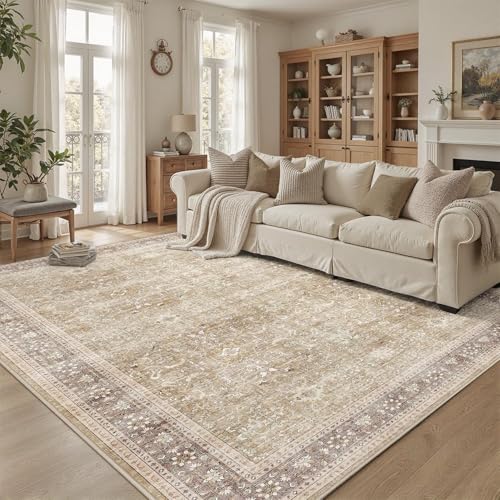
- Machine Washable: Designed for real homes with pets, this washable 8x10 rug handles everyday accidents like pet vomit and muddy paw prints with ease. The low-pile 1/4" short-fiber surface prevents liquids, crumbs, and pet residue from soaking deep into the rug—allowing messes to be quickly wiped away, vacuumed, or machine-washed. Helps reduce odor buildup without relying on harsh chemical cleaners. Do not bleach or use high heat
What Color Rug Hides Dirt Best?
The best rug color for hiding dirt isn’t one particular shade. Mid-tone, mixed colors generally disguise everyday dirt better than either very pale or very dark solid colors.
Some of the most forgiving combinations are:
Olive + taupe: earthy and forgiving without making the room feel dark.
Rust + brown: warm and particularly natural-looking around wood floors.
Muted blue + rust: combines warm and cool tones for lots of visual variation.
Taupe + beige: useful when you want a light room without the maintenance look of solid cream.
Charcoal + olive: a darker choice that still provides variation instead of one flat field of charcoal.
The common denominator isn’t darkness.
It’s variation.
Why Pattern Matters So Much
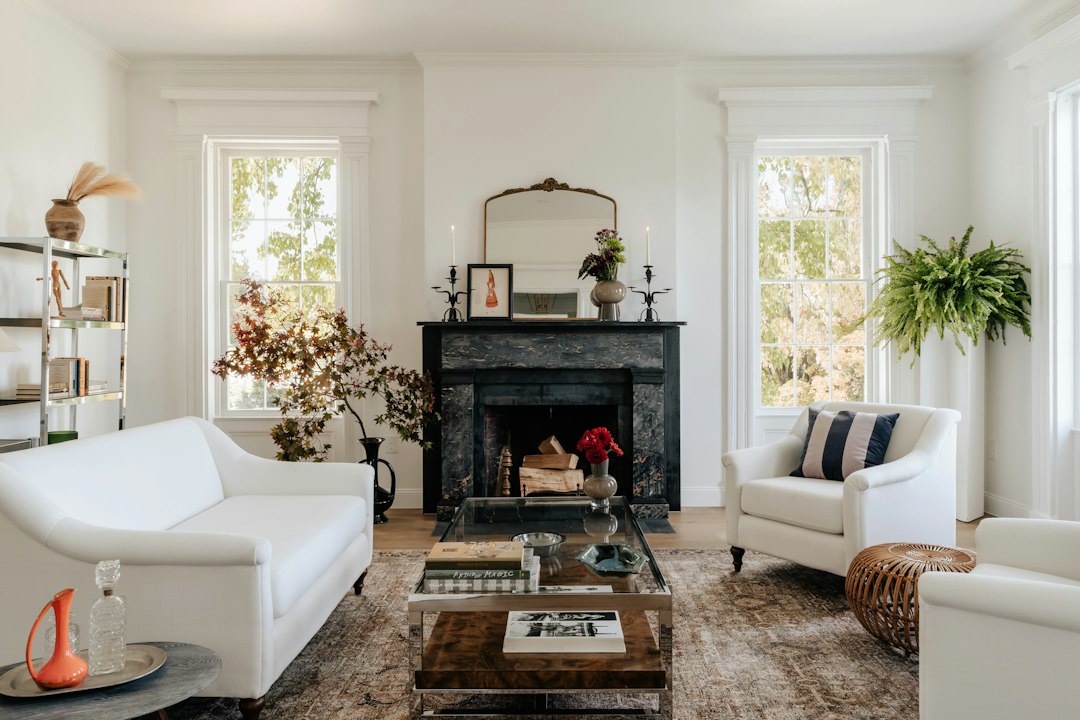
This is one reason vintage-style rugs work so well in real homes.
A faded medallion, Persian-inspired motif or distressed botanical pattern creates hundreds of small shifts in color and contrast. Your eye reads the rug as a whole instead of immediately noticing one crumb or faint mark.
A solid rug gives dirt nowhere to hide.
That doesn’t mean you need an aggressively busy pattern. In fact, some of the most useful rugs have patterns that are deliberately faded so that from across the room they almost read as texture.
That’s the sweet spot: enough visual variation to be forgiving without so much contrast that the rug dominates the room. If you like the collected look of faded traditional patterns, YHR’s Pottery Barn rug dupes include more designer-inspired options to compare.
Is Low Pile or High Pile Better for a Busy Living Room?
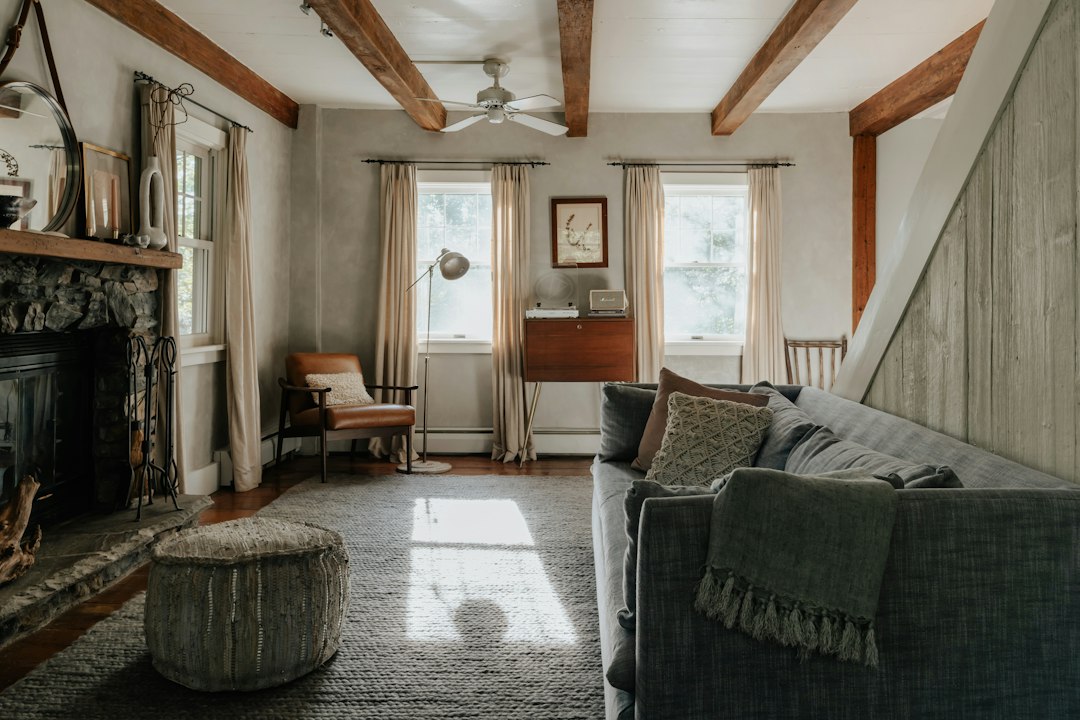
For most busy living rooms, I’d choose low to medium-low pile.
Crumbs, pet hair and debris are easier to reach with a vacuum when they aren’t buried deep in plush fibers.
A high-pile rug can feel wonderful underfoot, but in the room where everyone eats popcorn, builds LEGO and lets the dog nap, that extra plushness comes with more maintenance.
Low pile also tends to work nicely beneath coffee tables and seating because furniture can sit more steadily on the rug.
Are Washable Rugs Better for Hiding Dirt?
Not necessarily.
Washable describes how you clean a rug, not how clean it looks between washes.
That’s why I wouldn’t choose a washable rug based on that feature alone. A solid pale washable rug can still look dirty quickly.
Ideally, you get both:
a forgiving pattern + practical coloring + washable construction.
If your biggest problem is spills, washability moves higher on the priority list. If your biggest problem is crumbs, footprints and pet hair making the room look perpetually messy, pattern and color variation may matter more.
What’s the Best Rug for Kids and Pets?
For a house with kids or pets, prioritize:
- low pile
- visible pattern
- mid-tone colors
- washable or otherwise easy-care construction
- a rug you’re comfortable actually living on
Don’t choose solely based on the phrase stain resistant. Always follow the manufacturer’s care instructions for the individual rug before using cleaning products.
A living room rug is supposed to make the room more comfortable to live in—not turn the living room into a place everyone is afraid to use.
What Size Rug Should You Buy for a Living Room?
For many standard living rooms, 8×10 is a useful starting point, while larger living rooms often look better with a 9×12.
More important than the number on the label is the relationship between the rug and your furniture. At minimum, the front legs of your primary seating should generally sit on the rug so the furniture grouping feels connected. YHR’s living room rug size guide walks through those proportions in more detail.
For broader room-by-room decisions, see how to choose the right rug for every room.
What Rug Colors Work With a Grey Sofa?
Grey sofas are where these muddy vintage colors really shine.
If your sofa is a warm greige, try moss, olive, rust, camel or warm taupe.
With cooler grey upholstery, look at faded blue, charcoal, muted green or a pattern that combines cooler tones with a little warm rust.
The goal is usually to give grey some warmth and dimension rather than surrounding it with even more flat grey. See what colors go with a grey sofa for YHR’s complete room-color guide.
What About Rugs for an Entryway?
The same basic principles apply, but entryways have different demands.
Door clearance, moisture and tracked-in outdoor debris matter much more there, so I wouldn’t simply buy the same living-room rug in a smaller size. YHR’s guide to entryway rugs that hide dirt covers those entry-specific concerns.
The Bottom Line
If your goal is a rug that doesn’t show every bit of everyday life, don’t simply buy the darkest rug you can find.
Look for a low-profile rug with a faded or traditional pattern and several related mid-tone colors. Olive, taupe, rust, brown and muted blue are particularly useful because they create variation without making the room feel visually busy.
For most living rooms, my first pick from this edit is the Loloi Layla Antique/Moss. If you want something darker, look at Olive/Charcoal; if washability is the bigger priority, move toward one of the patterned washable options.
The best rug for a busy home isn’t one that never gets dirty.
It’s one that still looks good while your house is being lived in.