THE LIVING ROOM EDIT / YOUR HOME REVIVAL
A coffee table is one of the smallest decorating projects in a living room—and one of the easiest places to see the difference between a space that feels merely furnished and one that feels considered. The secret is rarely buying more. It is choosing a handful of objects with the right scale, materials, and relationship to one another.
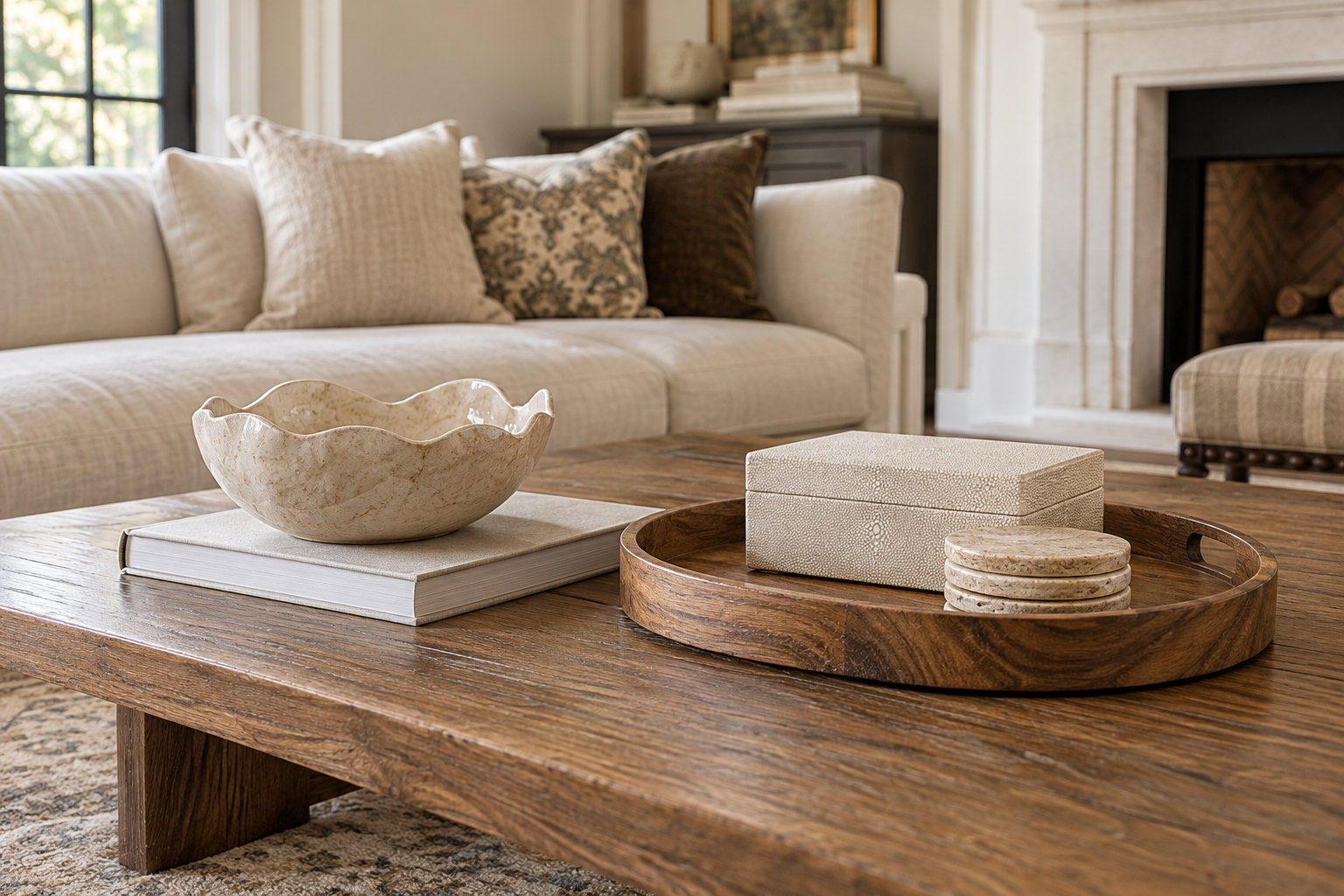
These coffee table decor ideas are designed for rooms that feel warm, collected, and quietly expensive. Think real wood, pottery with character, beautiful books that you actually open, and just enough empty surface for everyday life.
Quick answer: Start with one low anchor, such as a tray or stack of books. Add something sculptural, then one smaller useful or meaningful object. Vary the heights and finishes, and leave plenty of room for a drink. You do not need flowers, a dozen accessories, or a matching set.
Affiliate disclosure: This article contains affiliate links. We may earn a commission from qualifying purchases, at no additional cost to you.
About the room photographs: Our styled room scenes are AI-generated visualizations of the decorating ideas and selected product types, not exact product photography. The shopping edit below includes the verified product listing images and links.
What Makes Coffee Table Decor Look Expensive?
Expensive-looking styling has more to do with restraint than price. A hand-thrown-looking ceramic bowl has visual weight. A stack of well-loved art books tells a story. A substantial wood tray makes everyday objects look intentional. Small pieces that are all the same height, finish, and size can do the opposite: they make the table look busy without creating a focal point.
Before shopping, take everything off the table. Consider its shape, the finish of the surrounding furniture, and the way you actually use it. Is it a spot for family games? A place to set a cup of tea? The centerpiece of a formal sitting room? The best arrangement responds to those needs instead of fighting them.
The Simple Three-Part Styling Formula
- One foundation: a low tray, oversized book, or shallow decorative bowl.
- One focal piece: a sculptural vessel, a distinctive vintage find, or a single object with beautiful texture.
- One personal or practical detail: coasters, a small lidded box, or an object you collected while traveling.
This is a starting framework, not a rule that every table needs three separate purchases. Sometimes a bowl and two books are enough. If the room feels too arranged, remove the smallest item and look again.
10 Coffee Table Decor Ideas That Feel Collected, Not Cluttered
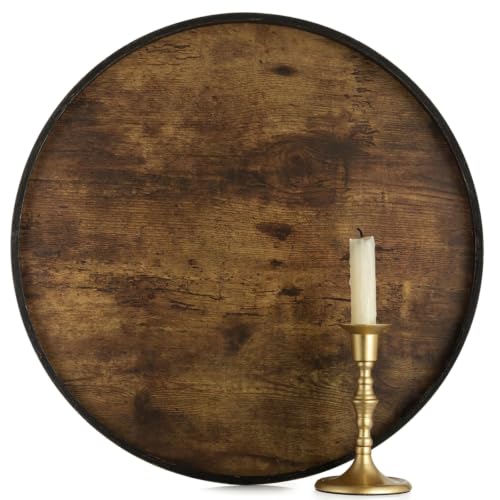
1. Give the Arrangement a Foundation with a Wooden Tray
A tray solves two problems at once: it defines a small styling zone and makes the contents easy to move when the table needs to function. Acacia, walnut-toned wood, and dark-stained finishes bring warmth to a pale sofa or stone tabletop. For a traditional room, a well-shaped wooden tray often feels more enduring than a trendy metallic centerpiece.
Keep the tray comfortably smaller than the tabletop so the table’s own material can still be appreciated. On a larger ottoman, choose a tray with enough surface area to sit securely; an undersized one will feel lost.
SHOP THE EDIT · 01
The Wooden Tray Edit
Choose a tray that suits your table’s proportions: a small round acacia tray, a generous walnut-toned ottoman tray, or a darker round silhouette.


2. Use Books You Would Actually Read
Art, architecture, interiors, photography, and travel books are ideal because their covers are often beautiful and the content gives guests something to discover. Choose one substantial book or a short stack of two or three. Stagger the edges slightly and place a modest object on top only if it does not hide the entire cover.
Real books add personality that decorative faux-book boxes cannot. Look on your own shelves, at estate sales, or at a thrift store before you buy anything new. A worn linen cover or a book from a favorite destination can be more interesting than a pristine matching set.
SHOP THE EDIT · 02
Books Worth Keeping
Three beautiful books with real interiors and ideas inside—not decorative imitation books. Start with one that reflects your own taste.


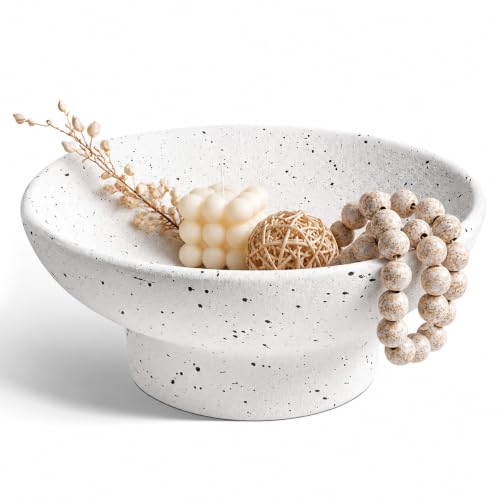
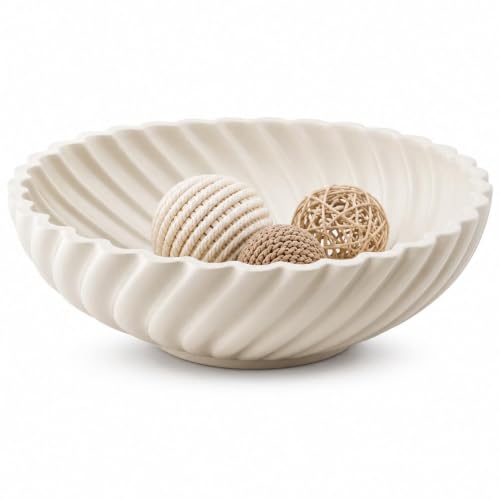
3. Let One Ceramic Bowl Be the Main Event
A low, free-form bowl is one of our favorite ways to make a coffee table feel collected. Its irregular edge catches light, its shape interrupts all the rectangles in a room, and it can stand alone without being filled with anything at all. Try it on a coffee table in warm oak, dark mahogany, or glass.
If you already own a handmade bowl, vintage ironstone piece, or small serving dish, start there. Empty is not unfinished; the silhouette itself can be the decoration.
SHOP THE EDIT · 03
The Ceramic Bowl Edit
Let a low, textured bowl stand alone. These shapes add substance without needing a collection of fillers.

4. Add a Sculptural Shape Instead of More Small Accessories
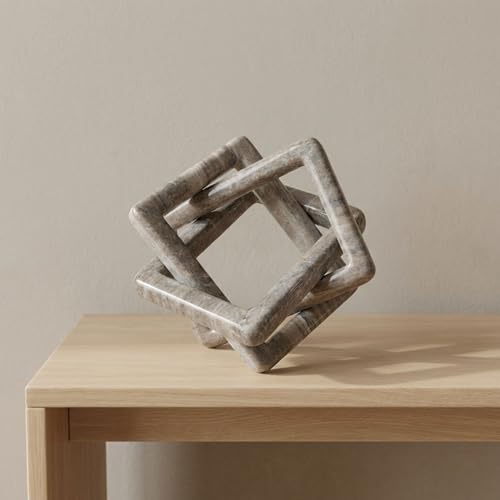
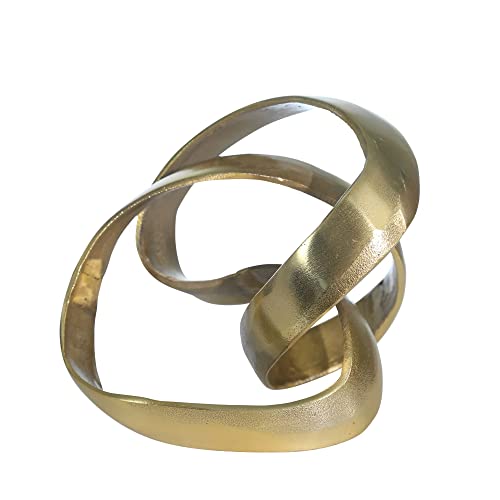
One expressive object can do the work of several little trinkets. Look for a carved wood piece, a stone-like knot, or a sculptural metal form with enough scale to read from across the room. Position it off-center so the grouping feels natural rather than arranged in a straight row.
Shape matters more than novelty. If a decorative object is difficult to clean, easy to topple, or competes with every other item, it probably is not the right one for an everyday family room.
SHOP THE EDIT · 04
A Singular Sculptural Accent
One well-scaled marble, stone-look, or metal sculpture is enough. Choose the finish that adds contrast to the objects you already own.

5. Hide the Unpretty Essentials in a Lidded Box
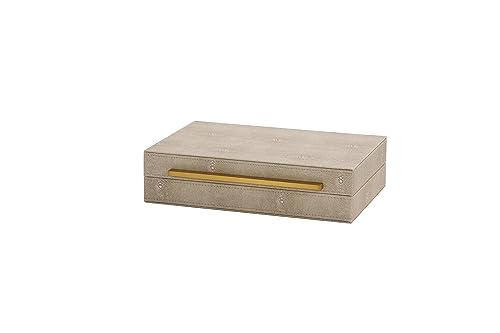
Remote controls and small everyday items do not need to live on display. A modest lidded box in an ivory shagreen-look finish or beautiful wood gives them a home. Choose a box that opens easily and has enough room for what you actually need; there is little point in a storage piece that is too small to use.
The contrast of a smooth decorative box beside rough ceramics or a grained wood tray is especially appealing in a neutral living room.
SHOP THE EDIT · 05
Small Boxes, Beautifully Made
A handsome lidded box gives remotes and everyday odds and ends an unobtrusive home. Ivory and muted beige keep the arrangement quiet.


6. Include Coasters That Belong to the Composition
Coasters are not an afterthought. A set with stone-like texture looks quietly elegant next to a cup of coffee and protects your table in the process. Keep only the number you need close at hand. If they come with a bulky holder, decide whether that holder improves the arrangement or belongs in a nearby drawer.
7. Mix Materials, Not Lots of Colors
If the living room already has a neutral palette, try contrast through finish: matte ceramic against polished wood, textured linen beside a small metal object, or a smooth stone piece against an old book. These combinations feel layered without adding visual noise.
For a grey sofa, a warm wood tray and cream ceramic are an easy place to begin; our guide to colors that go with a grey sofa offers more complete room palettes. The same approach works beside a patterned vintage-style rug: repeat one or two existing room colors and let texture do the rest.
8. Bring in Something Secondhand
A thrifted wooden bowl, small brass object, vintage book, or inherited ceramic piece keeps a coffee table from looking like a catalog display. You do not need to make a new purchase every time you want a refresh. Bring home one object with a good silhouette and see how it looks beside what you already own.
Not everything vintage needs to be precious. The most effective finds are the ones you are happy to move, use, and enjoy.
These new pieces offer an aged or handmade look. For genuinely secondhand objects, shop vintage and thrift stores.
9. Try One Taller Accent—But Keep Sightlines Open
Varying heights prevents a grouping from looking flat, but a coffee table should not block conversation across the sofa. A modest-height vessel can balance books and a tray; towering arrangements are better suited to a console table. If you love taper candle holders, use them in a lower-traffic setting rather than a child-friendly table where open flame or breakable objects would be risky.
10. Leave the Most Beautiful Part Empty
The negative space around your objects is part of the design. It lets the coffee table’s grain, stone veining, or silhouette show through and makes a simple grouping feel more intentional. If you cannot comfortably set down two drinks or a small plate, edit the arrangement until you can.
Only add a piece if it serves your room; leaving space is the point.

How to Style a Round, Rectangular, or Ottoman Coffee Table
Round coffee table
Think of one loose, slightly off-center triangle rather than three objects lined up in a row. A round tray with a low bowl and a narrow book stack is an easy combination. Make sure there is a visible rim of uncovered tabletop around the arrangement.
Rectangular coffee table
Divide the surface visually into thirds. Use one substantial grouping toward one side and leave the other side quieter. On long tables, a pair of book stacks can work, but they should differ in height or size so the surface does not look too symmetrical.
Upholstered ottoman
Function comes first. Use a broad, stable tray for coasters and drinks, and keep decorative objects low and easy to lift away. If children regularly play nearby, choose durable objects without sharp corners and avoid unstable candles, heavy stone sculpture, or easily broken ceramics.
Three Easy Coffee Table Arrangements to Try
The Collected Traditional Edit
One vintage hardcover, a shallow ceramic bowl, and a small brass accent. Allow the aged finishes to vary slightly. The result feels gathered over time rather than purchased in a set.
The Warm Modern-Classic Edit
An acacia tray, a light textured box, and stone-look coasters. This arrangement works especially well with upholstered sofas, patterned pillows, and the kind of neutral living room rug that brings warmth without demanding attention.
The Real-Life Family Room Edit
A tray large enough for cups, one book you love, and one durable object. Put everything else away. The best styling earns its place because it is beautiful and livable. If the room needs extra ambient warmth, try a well-proportioned designer-looking table lamp on the adjacent end table instead of crowding the coffee table with more objects.
Frequently Asked Questions
What should I put on my coffee table?
Begin with a tray or book stack, a decorative object with some height or texture, and one useful item such as coasters. Keep your favorite objects and remove anything that makes the table inconvenient to use.
How many things should be on a coffee table?
There is no fixed number. Two or three groupings typically look more considered than an assortment of many tiny accessories. Large tables may need more scale; small tables often need less.
How do you style a coffee table without flowers or greenery?
Use books, a ceramic vessel, a sculptural piece, and varied natural textures. Flowers are optional, not a requirement for a finished room.
How can I decorate my coffee table on a budget?
Shop your own home first. Rearrange a book, an old bowl, and a small meaningful keepsake. The layout—especially its scale and breathing room—often makes a bigger difference than buying new accessories.
What coffee table decor looks timeless?
Wood trays, beautiful real books, ceramics, simple decorative boxes, and carefully chosen vintage finds tend to blend comfortably with both traditional and modern-classic interiors. Avoid filling the surface with objects that have no purpose or personal meaning.
The Finishing Touch
Stand in the doorway and look at the coffee table in the context of the entire room. Does your eye land on one lovely shape? Can you still see the tabletop? Would you be happy to move nothing at all before sitting down with a cup of tea? If the answer is yes, the arrangement is doing its job.
The most inviting rooms never look as though someone has been instructed not to touch anything. Give your coffee table one memorable detail, a little practical order, and the breathing room to remain part of everyday life.